Don't worry, contact your boss immediately
Don't rush to close it, now, please talk to our boss directly. Usually reply within 1 hour.

John
JINAN SUNTEC CNC Machinery Co., Ltd
We Use SSL/3.0 To Encrypt Your Privacy

An EPS foam mold factory does not buy a CNC machine to look advanced. It buys a machine to cut molds faster, hold shape better, reduce handwork, and keep delivery dates under control. That sounds obvious. But a lot of buyers still get pulled into the wrong decision. They chase extra axes before they fix the basic problems: weak rigidity, small working area, too many setups, poor surface finish, and slow roughing.
I think that’s backwards.
For most EPS mold factories, the best buy is not the most complex machine. It is the machine that matches the real production flow. In many cases, that means starting with a strong 4-axis machine, not jumping straight to full 5-axis. Suntec’s product line makes that choice easier because it already covers the main stages of mold work, from smaller EPS jobs to larger mold making and then to full 5-axis work with more freedom and reach. See the ST-1325 4-axis EPS mold router, the ST-2030 4-axis EPS mold router, the ST-3040 large-format 4-axis mold router, and the ST-2030 5-axis CNC router.
Let’s keep this practical.
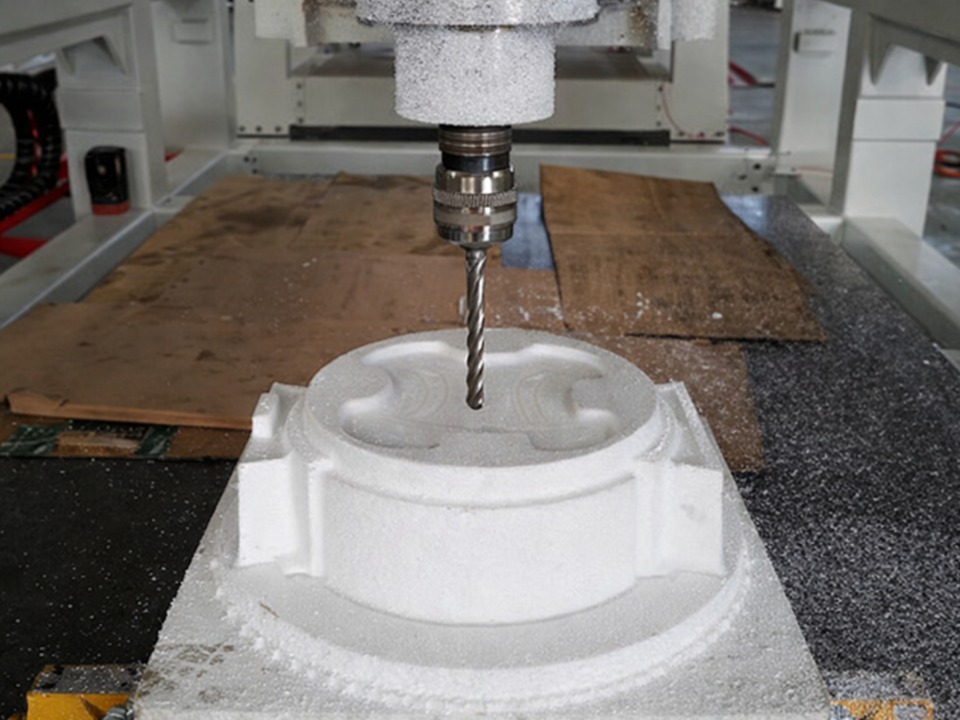
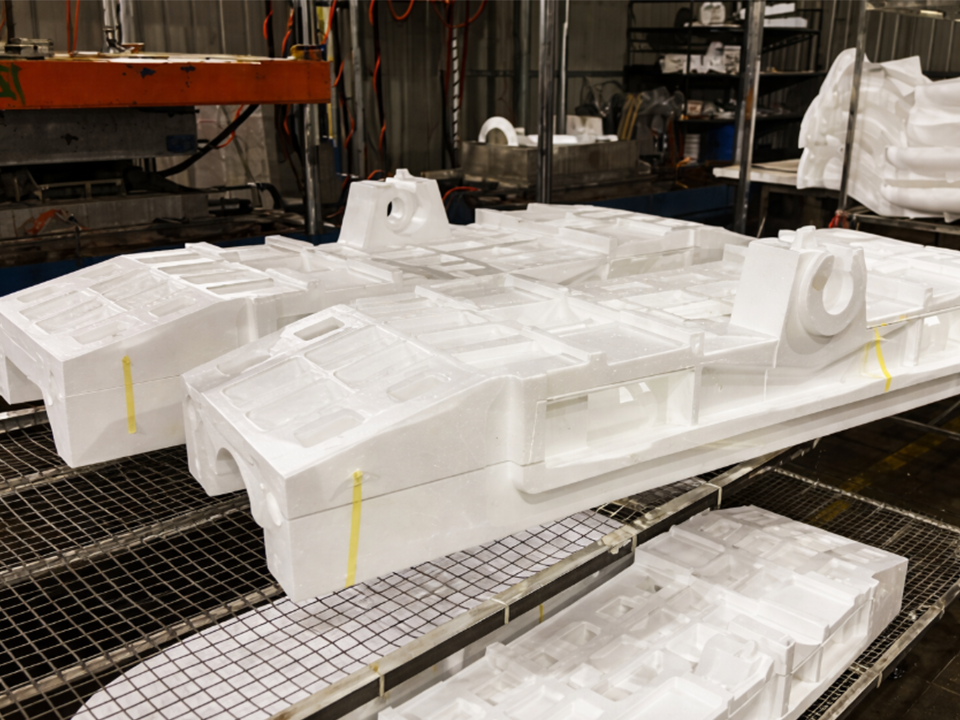
EPS mold work is not soft sign work. It is not just carving a foam block and calling it done. A mold factory has to think about cavity accuracy, mold size, surface shape, repeat work, delivery time, and how many times the operator needs to stop and reset the part. That last part matters more than people admit.
Every extra setup costs money.
And not just a little. It adds labor, risk, alignment error, and finishing time. So when I look at a CNC Machine for this kind of factory, I care about three things first: working area, machine structure, and spindle flexibility. If those three are wrong, the rest of the machine won’t save you.
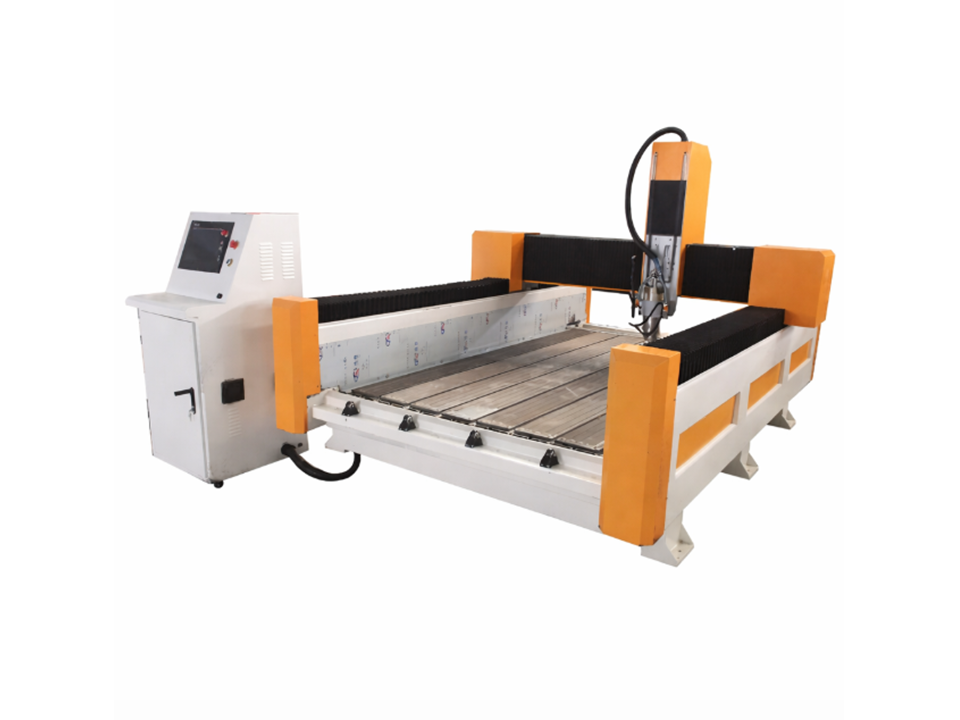
This is where Suntec’s 4-axis mold machines make sense. The ST-2030 4-axis EPS mold router is built around a 2000 × 3000 × 1000 mm working area, a 9.6 kW HSD spindle, 0–24000 RPM, ±0.01 mm positioning, and a 180° rotating spindle. That mix is useful because most EPS mold jobs need stable large-area work and multi-surface machining more than they need full simultaneous 5-axis motion. The machine also uses Yaskawa motors and a Syntec control system, which tells me it is aimed at real production, not hobby-level work.
That matters.
A machine for mold work must stay steady over long cycles. It has to cut large forms without shaking itself apart. It has to keep the geometry clean enough that your team does not spend half the day fixing the part by hand. That is why I do not like weak frames in this category. A cheaper machine can turn into expensive labor very fast.
Here is my straight answer.
If I were buying the first serious machine for an EPS foam mold factory, I would start with a 4-axis mold-focused CNC router before I bought a full 5-axis unit. Not because 5-axis is bad. It isn’t. But because most factories do not need 5-axis first. They need stability first.
The ST-2030 4-axis EPS mold router is the model I would look at first for a lot of shops. It has enough working area for many standard mold jobs, enough spindle power for steady cutting, and enough rotary freedom to handle more than a plain 3-axis machine. It also runs on a heavy steel tube structure and lists a machine weight of 7000 kg, which is exactly the kind of detail I pay attention to in mold work. A machine like this is not trying to be “small and cute.” It is trying to stay accurate. That is what matters.
For smaller jobs or for factories that want to enter this space with less initial risk, the ST-1325 4-axis EPS mold router is another smart option. It offers a 1300 × 2500 × 1000 mm working area, the same 180° spindle swing, 9.6 kW HSD spindle, 0–24000 RPM, and ±0.01 mm accuracy. So the logic stays the same. You still get a mold-oriented 4-axis machine, just in a smaller envelope. That makes it a better fit for sample making, smaller mold parts, or shops that do not yet need the full size of the ST-2030.
That’s usually the smarter path.
Buy the machine that handles the work you do every week. Not the work you might do twice a year.
Now let’s be fair.
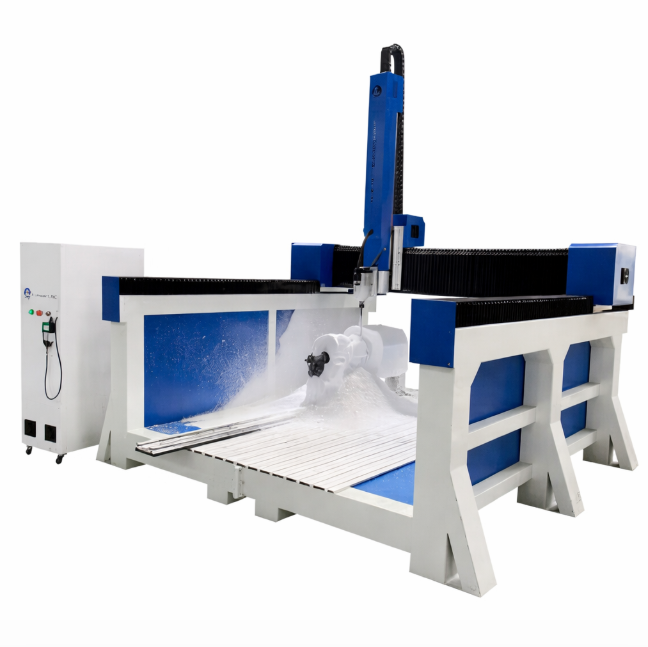
There are factories where 4-axis is not enough. If your jobs have deeper cavities, more angles, more undercuts, or more complex surfaces that keep forcing you into extra setups, then 5-axis starts to make sense. In that case, the ST-2030 5-axis CNC router becomes a serious machine, not a luxury machine.
And the specs show why.
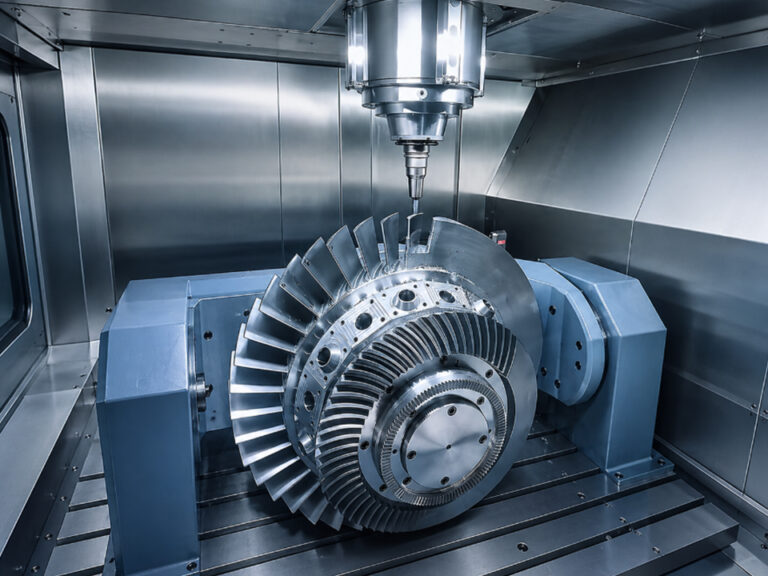
Suntec lists this model with a 2000 × 3000 × 1000 mm capacity, ±110° A-axis, ±245° C-axis, 24,000 RPM, and ±0.01 mm precision. That gives the machine more reach and more freedom around complex shapes. If your team is always tilting parts, rotating fixtures, and fighting access, then a machine like this can cut setup time hard. It can also cut handwork. That is where the extra money starts to make sense.
But I’ll say this clearly.
A lot of buyers move to 5-axis too early. They think more axes always means better value. It doesn’t. More axes also mean more cost, more training, more CAM pressure, and more room for bad programming to waste time. So I would only move into 5-axis when the factory already knows it has a geometry problem, not just a buying itch.
This is one point buyers miss all the time.
Sometimes the answer is not “buy more axis movement.” Sometimes the answer is just “buy more machine.” A larger working area can solve more real mold problems than a fancy motion package.
That is why the ST-3040 4-axis mold router deserves attention. It is built with a 3000 × 4000 × 1000 mm working area, 180° HSD spindle, ±0.01 mm positioning accuracy, and 40,000 mm/min rapid travel. It also has a listed net weight of 10,000 kg. That is a serious format for larger molds. If your factory keeps splitting big work into multiple setups because the machine bed is too small, then a machine like this may solve the real bottleneck faster than a smaller 5-axis unit.
That’s not a small point.
A big mold on a machine that is too small becomes a workflow problem. You lose time. You lose alignment confidence. You increase finishing work. And you create stress for no reason. I would rather buy the right table size than spend months pretending setup time is not part of machine cost.
For even longer work, the ST-2050 4-axis car mold router pushes the range further with a 2000 × 5000 × 1000 mm working area, the same 180° rotating spindle, ±0.01 mm positioning, and 40,000 mm/min rapid speed. For factories handling oversized molds or long-format parts, that kind of length matters a lot.
Here is the short version.
| Factory situation | Best machine choice | Why it fits | Product link |
|---|---|---|---|
| Small EPS mold work, samples, smaller cavity jobs | 4-axis compact mold router | Easier entry point, enough spindle flexibility, lower first-step risk | ST-1325 |
| Standard daily EPS mold work, medium to large molds | Heavy 4-axis mold router | Best balance of size, rigidity, speed, and cost | ST-2030 4-axis |
| Larger molds, fewer split setups, more table demand | Large-format 4-axis router | Bigger travel solves real production limits | ST-3040 |
| Long-format molds or oversized parts | Extended-bed 4-axis router | Better fit for long mold jobs | ST-2050 |
| Complex geometry, undercuts, multi-face mold work | Full 5-axis router | Fewer setups, better angle access, less hand finishing | ST-2030 5-axis |
The point is simple. Match the machine to the work. Don’t force the work to fit the machine.
So, what CNC Machine should an EPS Foam Mold Factory buy?
My answer is still the same. Start with a strong 4-axis machine unless your part geometry clearly proves you need 5-axis. That is the safer, smarter, and usually more profitable move. A model like the ST-2030 4-axis EPS mold router gives most factories what they actually need: enough work area, enough spindle strength, enough flexibility, and enough machine weight to stay stable. If your jobs are smaller, look at the ST-1325. If your jobs are larger, step up to the ST-3040 or even the ST-2050. And if your factory already knows it is losing time on angle access and multi-face complexity, then move to the ST-2030 5-axis.
That’s the real answer.
Not the fanciest machine. The right one.