Don't worry, contact your boss immediately
Don't rush to close it, now, please talk to our boss directly. Usually reply within 1 hour.

John
JINAN SUNTEC CNC Machinery Co., Ltd
We Use SSL/3.0 To Encrypt Your Privacy

Most buyers start wrong.
They compare spindle power, table size, and price, then call three suppliers and wait for the lowest number to feel like the smart move, even though the real answer sits in the material itself: what you cut, how often you cut it, how much finish you need, and how much waste or rework your shop can afford. Why buy a machine first and think about material second?
That’s why I’d start with material, not hype. On the Suntec CNC router website, the product range already makes that point clear. The company doesn’t box itself into one narrow use case. It covers wood, stone, metal, 3-axis, 4-axis, and 5-axis work, which matters because a shop cutting cabinet panels does not need the same CNC logic as a shop shaping EPS molds or running complex aluminum forms.
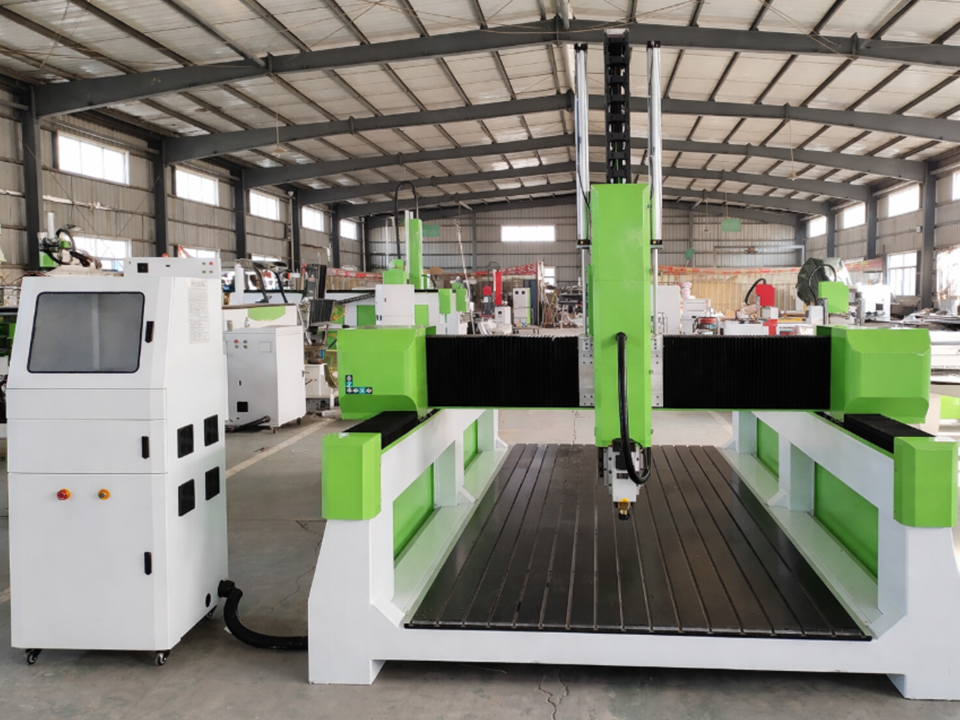
A brochure can hide a lot.
It can make a light machine look “heavy-duty.” It can make a basic router sound like a mold center. It can make one machine seem perfect for wood, EPS, aluminum, and stone all at once. In real work, those materials pull the machine in very different directions. Wood wants good vacuum, clean dust control, and speed on sheet jobs. EPS wants reach, travel, and smooth motion. Aluminum wants rigidity, stable movement, and better control over vibration. Stone wants mass, steady accuracy, and a build that won’t flinch under long, hard jobs.
I’d say it even more plainly. A CNC router is not one buying decision. It’s four. And if you miss that, you usually overpay in the wrong place.
Forget the pretty photos.
This is the table I’d use before I even ask for a quote.
| Material | What matters first | Common mistake | Better Suntec direction |
|---|---|---|---|
| Wood | Vacuum table, nesting flow, ATC, repeatability | Buying extra axis when most work is flat panel production | ST-2138 wood nesting CNC router |
| EPS | Large Z height, 180° spindle swing, mold size, smooth motion | Buying a small table and running out of travel | ST-1325 EPS mold router or ST-2030 4-axis mold router |
| Aluminum | Frame strength, spindle stability, precision, toolpath control | Treating a light woodworking router like a metal mill | ST-2030 4-axis mold router or 5-axis ST-2030 machine center |
| Stone | Heavy structure, stable movement, long-run accuracy | Assuming any CNC can handle stone because it “cuts hard materials” | Talk to Suntec around its stone-capable CNC range |
| Mixed jobs | Axis choice, future part shape, table size, software flow | Buying only for today’s easy jobs | Read 3-axis vs. 5-axis CNC routers first |
This table lines up with what Suntec shows across its product pages. The ST-2138 is built around loading, nesting, drilling, and unloading for cabinet and panel work. The EPS and mold-focused 4-axis pages push 180-degree spindle rotation, large work zones, and mold applications. The 5-axis ST-2030 moves into more complex, multi-angle parts with A-axis and C-axis travel for demanding shapes.
Wood fools people.
A lot of shops think wood is the safe choice, the easy choice, the low-risk choice. Sometimes it is. But flat-panel wood production punishes weak workflow. If your table doesn’t hold well, sheets move. If your tool changes are clumsy, time disappears. If your process breaks between loading, cutting, drilling, and unloading, labor eats margin one cut at a time.
This is why I like the logic behind the Automatic tool change aggregated nesting 3 axis wood CNC router ST-2138 with CE barrier. It isn’t selling romance. It’s selling flow. Suntec lists a full automatic cycle for loading, nesting, drilling, and unloading, a 5-zone vacuum table, a 12-tool ATC, 80 m/min travel speed, and ±0.025 mm reposition accuracy. For cabinet shops, office furniture lines, and panel furniture work, that’s the right conversation. Not “how many axes can I brag about,” but “how many sheets can I process cleanly in a day?”
And there’s another point many buyers miss. Nesting isn’t just a software trick. It’s a cost tool. Suntec’s own article on optimizing material through nested-based CNC routing leans into material yield, scrap reduction, and cycle-time control. That matters in plywood, MDF, acrylic, and even aluminum sheet. Waste isn’t abstract. It shows up in every board you paid for but didn’t turn into sellable parts.
So for wood, I’d keep it simple. If your business is mostly flat sheet production, buy a wood-first CNC. Get the table, ATC, and flow right. Save the extra axis for the day you truly need it.
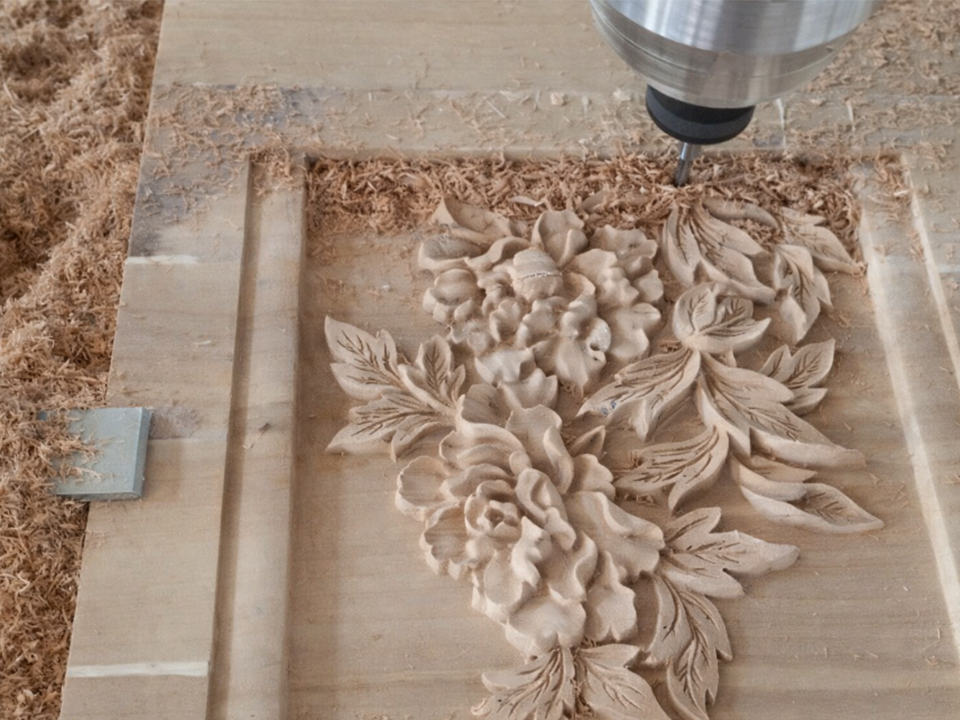
EPS is different.
It’s light, yes. But that doesn’t make it simple. Big foam molds, boat plugs, pattern making, and full-size mockups often need more travel, more Z height, and more spindle flexibility than a standard wood router can give. The problem is not only cutting foam. The problem is cutting large foam cleanly, across long paths, with steady shape control.
That’s where Suntec’s 4-axis mold machines make sense. The ST-1325 EPS mold router uses a 180-degree spindle, lists a 1300 × 2500 × 1000 mm working area, and targets EPS mold making, 3D foam work, plastic mold making, fiberglass molds, and non-metal 3D model making. That’s a very direct fit for EPS-heavy shops. No vague promise. Just a machine aimed at mold work.
Need more room? Then the ST-2030 4-axis mold router steps up to a 2000 × 3000 × 1000 mm work area, the same 180-degree spindle idea, 40 m/min rapid travel, 30 m/min max working speed, and ±0.01 mm accuracy. For bigger molds, bigger patterns, and longer surfaces, that jump in size matters a lot. Why squeeze large-form EPS work onto a machine that forces you to cut around the machine’s limits every day?
I’ll be blunt here. EPS buyers often underspend on machine size and overspend on empty sales talk. For foam, travel wins.
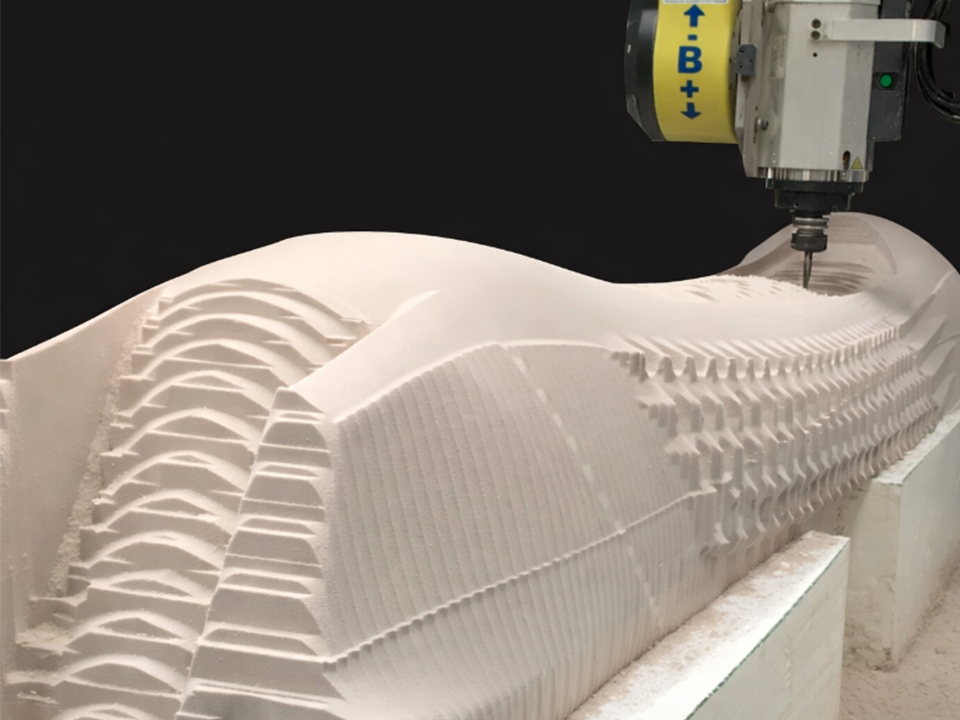
This is where the truth shows.
Aluminum doesn’t let a soft frame hide for long. A machine can look fine on wood and still start showing its limits when the job shifts to aluminum molds, trim parts, or more complex surfaces. You’ll see it in finish, in edge quality, in tool wear, and in how confident the machine feels when the toolpath gets real.
Suntec doesn’t market its 4-axis mold machines as toy machines, and that’s a good sign. The ST-2030 4-axis mold router lists a hardened steel structure, 9.6 kW HSD spindle, Yaskawa motors, Syntec control, ISO30 collet, and ±0.01 mm positioning and repeat accuracy. The ST-3040 4-axis wood mold router adds a larger 3000 × 4000 × 1000 mm work area and even mentions optional mist spray cooling. That last part matters. When aluminum enters the picture, support systems matter more than people like to admit.
And if your parts are no longer simple, flat, or easy to flip, the next question is axis count. Suntec’s own write-up on 3-axis vs. 5-axis CNC routers says the choice depends on part complexity, budget, operator skill, and production efficiency. I agree. If your aluminum jobs are mostly basic, a strong 3-axis or 4-axis setup may do the work. If you need undercuts, multi-face work, or complex shapes in one setup, the jump to 5-axis stops looking expensive and starts looking efficient.
That leads to the 5-axis ST-2030 machine center. Suntec lists A-axis ±110 degrees, C-axis ±245 degrees, a 2000 × 3000 × 1000 mm work area, 24,000 RPM spindle speed, and a heavy heat-treated steel build. It also positions the machine for composites, metals, woods, aerospace parts, and energy equipment. That’s not a starter router. That’s a machine for shops that already know simple setups are costing them time.
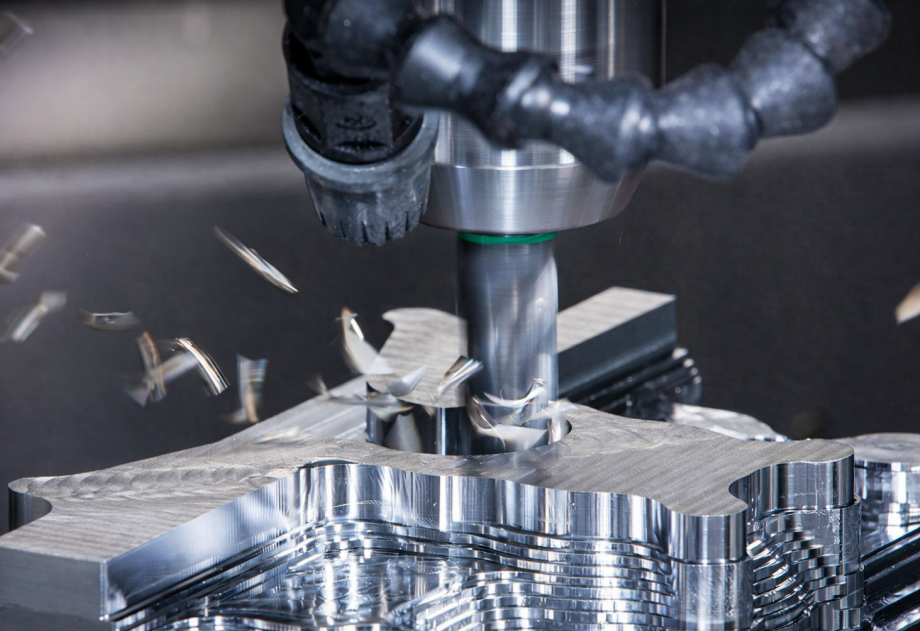
Stone is no joke.
I don’t like when suppliers treat stone like just another line in a material list. It isn’t. Stone work asks for structure, steady movement, and confidence over long cycles. It also asks for a supplier that understands hard-material processing as a real use case, not a side note stuffed into a brochure.
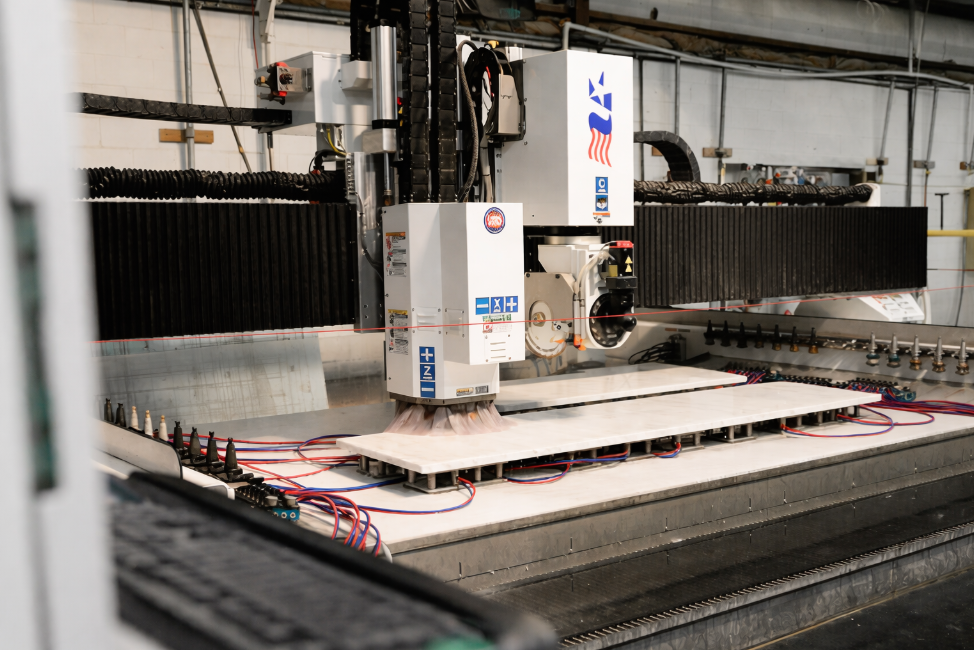
This is where Suntec’s broader positioning helps. On the homepage, Suntec says its stone carving and metal engraving machines are built for monuments, architectural elements, and industrial parts, with heavy-duty construction. On the company page, it also makes clear that stone sits inside the brand’s core CNC range, not outside it. That matters because stone buyers need to know the supplier already works in that space.
I’d still say this: if stone is your main business, don’t buy by photo. Ask detailed questions. Ask about structure. Ask about working area. Ask about spindle match, motion setup, and long-run accuracy. Serious stone work deserves a serious machine discussion.
Here’s the part that matters.
A supplier is useful when the lineup matches real factory choices. Suntec does that better than many sites I see. The company says it was founded in 2006 and builds a broad CNC range that includes 3-axis, 4-axis, and 5-axis routers for wood, stone, and metal. That breadth matters because most shops don’t stay frozen at one job type forever. They start with wood panels. Then come molds. Then EPS. Then more complex aluminum work. Then custom parts. A narrow supplier can’t grow with that. Suntec looks built for that shift.
I also like that the product pages don’t all say the same thing. The ST-2138 speaks the language of furniture production. The EPS and mold routers speak the language of foam, molds, and 3D surfaces. The 5-axis machine center speaks the language of multi-angle, high-precision parts. That separation is healthy. It tells me Suntec isn’t trying to flatten every buyer into one template.
Start with material.
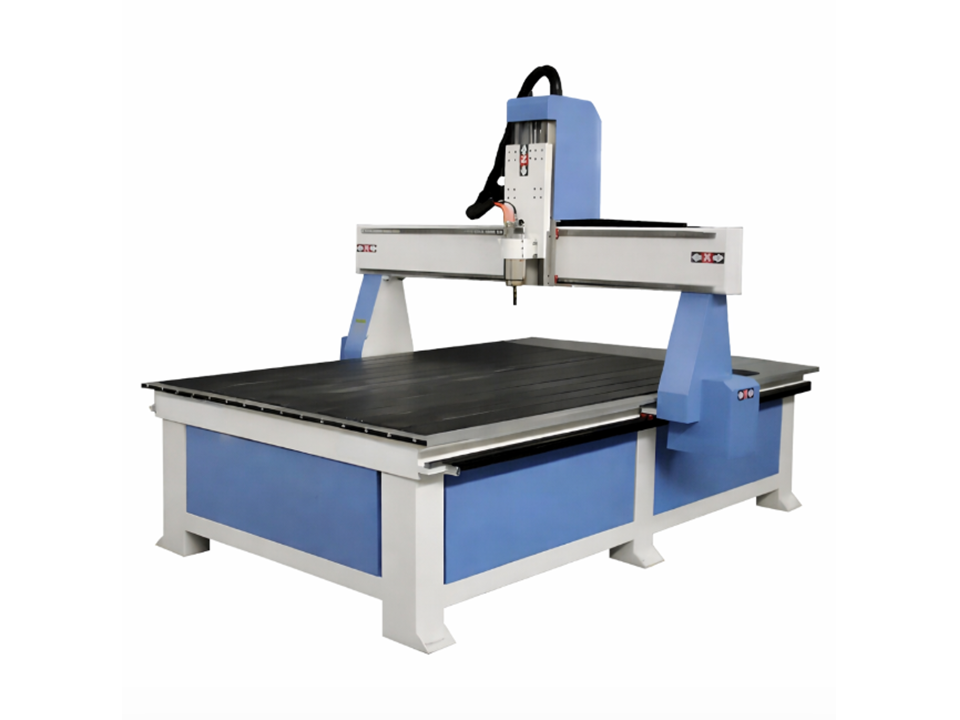
If you cut wood sheets all day, stay focused on vacuum, nesting, and automation. If you cut EPS, pay for size and spindle movement. If you cut aluminum, buy structure before speed. If you cut stone, ask harder questions and take your time.
And if you want one supplier that already covers those paths, Suntec is worth a serious look. Start with the homepage, read the about page, then compare the exact machine pages that match your material mix. That’s the smart way to buy a CNC. Not by the loudest spec. By the work you actually do.
