Don't worry, contact your boss immediately
Don't rush to close it, now, please talk to our boss directly. Usually reply within 1 hour.

John
JINAN SUNTEC CNC Machinery Co., Ltd
We Use SSL/3.0 To Encrypt Your Privacy

Let’s keep this simple.
If you run a stone engraving business, the best CNC Machine is not always the biggest one, and it’s not always the most expensive one either. I’d say the best machine is the one that fits the jobs you already sell every week, the space you have in the shop, and the level of precision your buyers will actually pay for. That’s why I’d start this talk with your own Suntec product range and your company background, not with empty hype. Suntec says it has been in CNC manufacturing since 2006, with 300+ employees, 60 technical engineers, a 15,000㎡ facility, and sales across 100+ countries. That matters, because in this business, machine specs are only half the story. The rest is build quality, parts, and support.
Buy for the job.
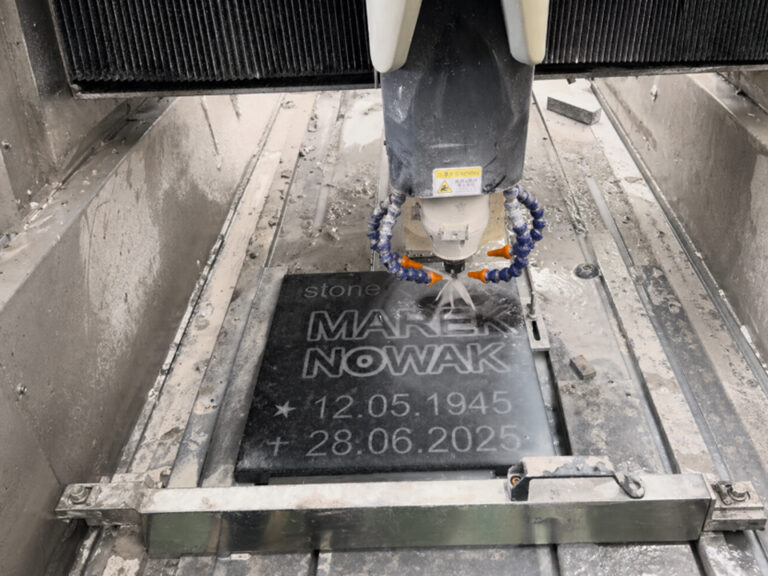
If your stone engraving business mainly does name plates, carved panels, shallow relief work, custom signs, and repeat engraving jobs, I would not rush into a giant 5-axis setup on day one, because a smaller shop usually gets more value from a rigid machine with stable motion, clean control, and enough spindle power to keep output steady without turning the shop into a training center for one oversized machine. Do you really need full 5-axis motion for every order?
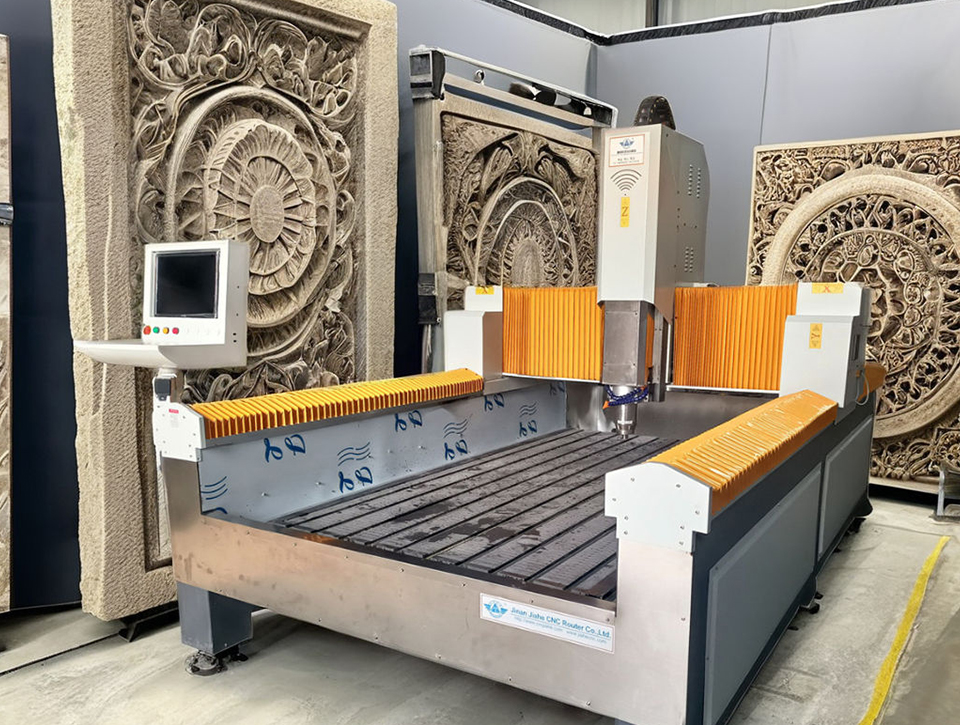
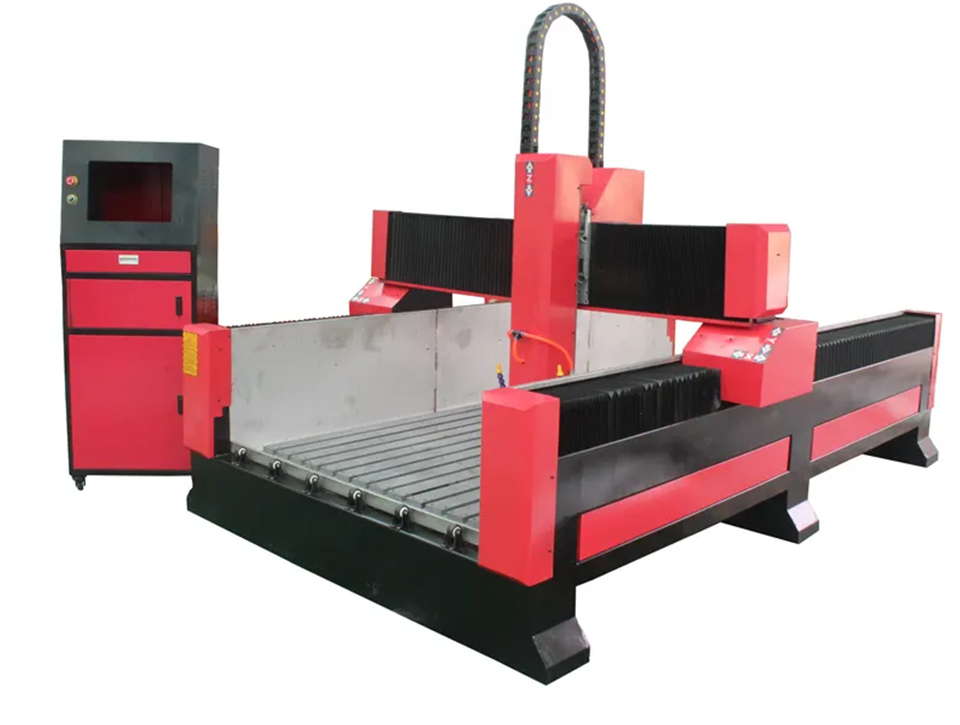
That’s the hard truth. A lot of owners see a big machine and think, “That’s the serious option.” I don’t. I look at work mix first. If you need curved surfaces, 3D carving, and better flexibility than a basic flat-bed setup can give you, a 4-axis CNC router like the ST-2050 is a smart place to look. Suntec lists it with a 2000 × 5000 × 1000 mm working area, a 9.6kW HSD spindle, Syntec control, Yaskawa motors, and positioning accuracy of ±0.01/1000 mm. That is not toy-level equipment.
And if you want something smaller for sample work, lighter carving jobs, or tighter shop space, the ST-1325 4-axis model gives you a 1300 × 2500 × 1000 mm work area with the same 9.6kW HSD spindle and the same listed ±0.01/1000 mm positioning accuracy. Smaller footprint. Same basic logic. Less waste if your order size is still growing.
This is where buyers usually mess it up.
They shop for future dreams. They should shop for current orders. If your weekly work is mostly flat engraving, repeat batches, and mid-size pieces, a rigid 4-axis machine makes more sense than a giant 5-axis unit. But if your shop already cuts large stone pieces, complex bevels, deep 3D forms, or heavy industrial parts, then the answer changes fast.
Here’s the clean comparison.
| Model | Axis Type | Working Area | Spindle | Listed Precision | Best Fit |
|---|---|---|---|---|---|
| ST-1325 | 4-axis | 1300 × 2500 × 1000 mm | 9.6kW HSD | ±0.01/1000 mm | Small shop, samples, light 3D engraving |
| ST-2050 | 4-axis | 2000 × 5000 × 1000 mm | 9.6kW HSD | ±0.01/1000 mm | Mid-size carving, relief work, longer parts |
| ST-2030 | 5-axis | 2000 × 3000 × 1000 mm | 12kW | ±0.01/1000 mm | Multi-angle machining, more complex shapes |
| ST-2550 | 5-axis | 2500 × 5000 × 2000 mm | 18kW | ±0.01/2000 mm | Large stone jobs, foundry patterns, heavy work |
| ST-7060 | 5-axis | 6000 × 7000 × 2000 mm | 15kW | ±0.01/2000 mm | Industrial-scale marble and stone production |
The numbers above come straight from Suntec’s public product pages. That matters, because buyers don’t need vague words here. They need bed size, spindle power, control system, and motion data.
So what does this mean in real shop terms?
If you are still building volume, the move is usually a 4-axis machine. If you already win jobs that need multi-face cutting, large heavy workpieces, and more aggressive shaping, then you step up to a 5-axis machine. That’s why Suntec’s own article on 3-axis vs. 5-axis CNC routers is useful. It makes the same basic point: 3-axis and simpler setups work for straight jobs, while 5-axis makes sense when part complexity, finish quality, and fewer setups start to drive profit.
Because most shops don’t need it yet.
That may sound blunt, but I’d rather be blunt than expensive. A 5-axis machine is great when you really use it. It is a burden when you don’t. More machine means more capital, more training, more programming time, more room, and more risk if your order book is not ready.
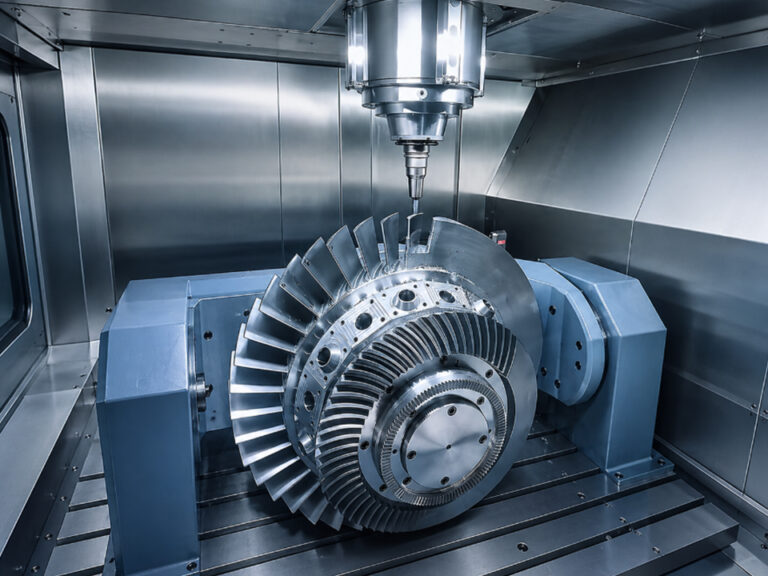
Still, there are cases where 5-axis is the right call. And when that moment comes, Suntec does have serious options. The 5-axis ST-2030 gives you ±110° A-axis rotation, ±245° C-axis rotation, a 12kW spindle, 24,000 RPM, Syntec/TPA/Osai control options, and a 2000 × 3000 × 1000 mm work area. That is a real machine for real multi-angle work. It’s not just a fancy label. (ShangGe)
Need more size? Then look at the ST-2550 5-axis stone and aluminum CNC router. Suntec lists this model with a 2500 × 5000 × 2000 mm work area, 18kW spindle power, ±0.01/2000 mm positioning accuracy, and premium parts like an Italy Demas head and Yaskawa motors. That’s the kind of setup you buy when your business is already doing large and demanding work, not when you are still testing demand.
And if your shop sits at the heavy end of the market, the ST-7060 large 5-axis machine pushes into industrial territory with a 6000 × 7000 × 2000 mm work area, a 15kW spindle, a cast iron table, and support for heavy loads. That’s a factory-level move. Not a starter move. Big difference, right?
I’ll say it straight.
I care less about paint color and more about the bones of the machine. In stone engraving and carving work, the frame, spindle, control system, drive motors, and motion accuracy tell you a lot more than a polished brochure ever will. And on the Suntec side, the same names show up again and again: HSD spindles, Syntec control, Yaskawa servo motors, Hiwin rails, heat-treated steel structure. That repeat pattern is a good sign, because it tells me the brand is trying to build around a stable parts stack instead of random spec swapping.
Here’s what I would check first before buying any CNC Machine for a stone engraving business:
Too small, and you waste labor moving material. Too big, and you pay for dead space.
Stone work punishes weak setups. A machine with more stable spindle output will cut cleaner and hold rhythm better.
If the machine shakes, chatters, or loses position, your finish suffers fast.
A stable controller saves time. Suntec lists Syntec on multiple models, and that’s a practical plus for many buyers.
You don’t want to buy twice in one year.
That last point is bigger than people think. A good machine should fit today’s jobs and leave you room to grow into tougher work. That’s why it helps to read through the broader Suntec products page before picking one model in isolation. You can see the step-up path more clearly that way.
For most stone engraving businesses, I would split the answer into three levels.
If you are a small or mid-size shop, I’d start with a 4-axis machine. The ST-1325 is the lighter entry point. The ST-2050 is the better choice when you need more table length, more room for bigger jobs, and more confidence with longer pieces. That is the sensible lane for many shops.
If your shop already handles complex surfaces, deeper carving paths, and more demanding part geometry, I’d move to the ST-2030 5-axis. It gives you more angle freedom without pushing all the way into oversized heavy industry. That’s the bridge machine.
If your business is already in serious stone, marble, or large-format production, the ST-2550 or even the ST-7060 makes more sense. Those are not “nice to have” machines. Those are production assets for shops that already know why they need them.
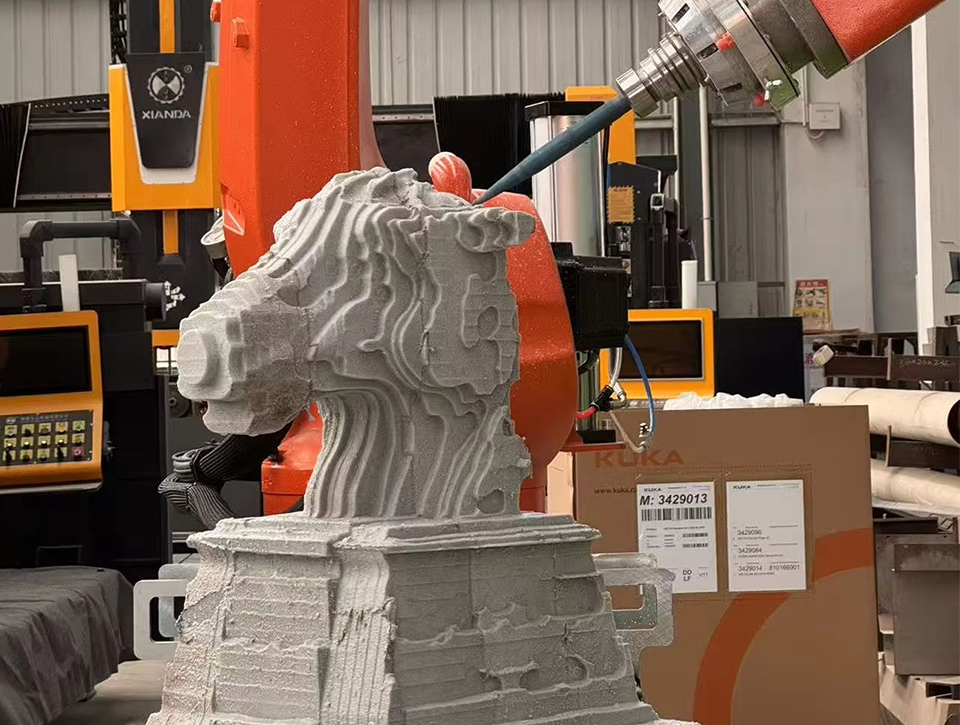
So, what CNC Machine is best for a stone engraving business?
My answer is this: the best machine is the one that fits your real workload, not your ego. If your shop mostly engraves, carve signs, and runs mid-size work, start with a strong 4-axis machine. If your orders demand more angles, more reach, and more heavy stone capacity, then move into 5-axis. That’s the clean answer. Not sexy. Just right.
And if you want to turn this from a blog post into a buying plan, start with three pages on your own site: the About page to build trust, the Products page to compare the line, and the Contact page to get a real quote and ask the questions that matter, like table size, spindle match, controller options, and delivery setup. That’s how you buy with your head, not with guesswork.