Don't worry, contact your boss immediately
Don't rush to close it, now, please talk to our boss directly. Usually reply within 1 hour.

John
JINAN SUNTEC CNC Machinery Co., Ltd
We Use SSL/3.0 To Encrypt Your Privacy

Bad acrylic cuts show up fast.
You can hide a rough MDF edge for a while. You can’t hide a bad acrylic edge. It turns cloudy. It melts. It throws chips back into the cut. And the worst part is this: the machine may still look “good” on paper. So when people ask me how to choose a CNC Router for acrylic sign work, I don’t start with price. I start with what the finished sign will look like under bright light, from one foot away, after a long shift.
That’s the whole point.
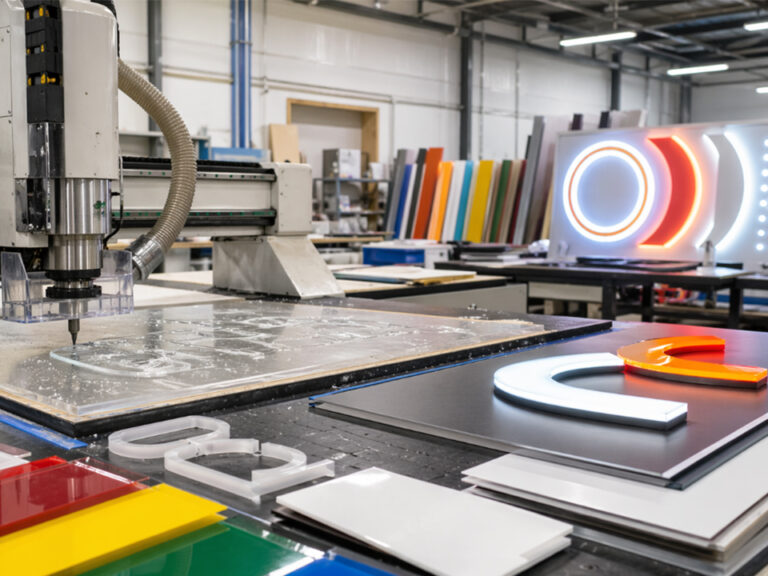
If your shop mainly cuts flat acrylic sheets for logo panels, dimensional letters, faceplates, lightbox parts, directory signs, and branded displays, a 3-axis machine is usually the right place to spend your money. Not because it’s the cheapest route. Because it fits the job. SUNTECCNC has already laid out that logic in its own piece on 3-axis vs. 5-axis CNC routers: flat material work and repeat jobs often don’t need the cost, training load, or complexity of a 5-axis platform.
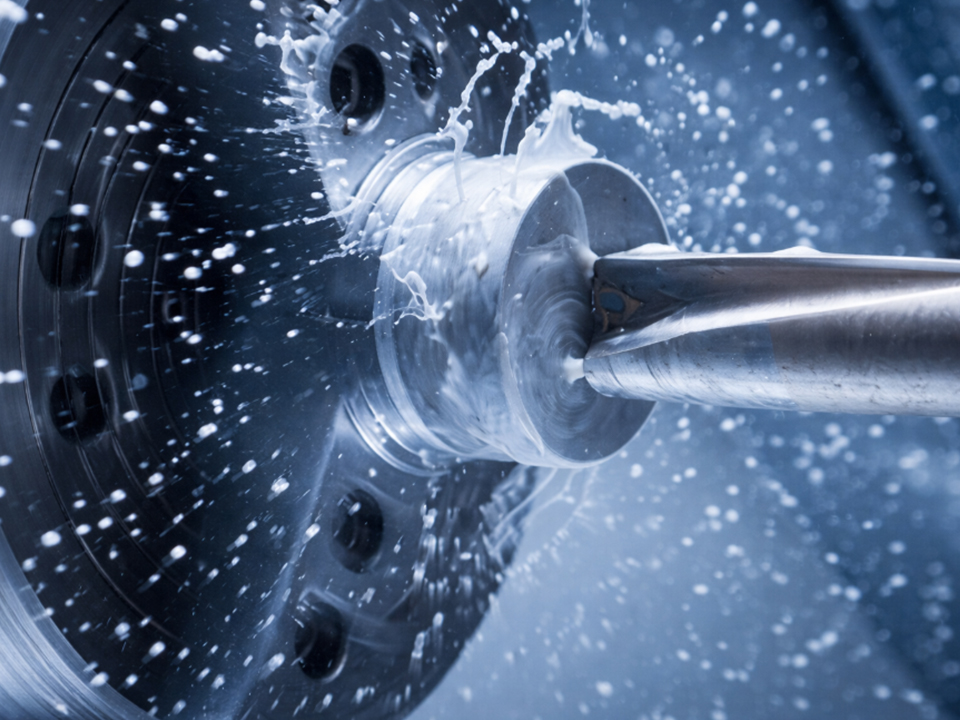
Acrylic is picky. That’s why it’s useful.
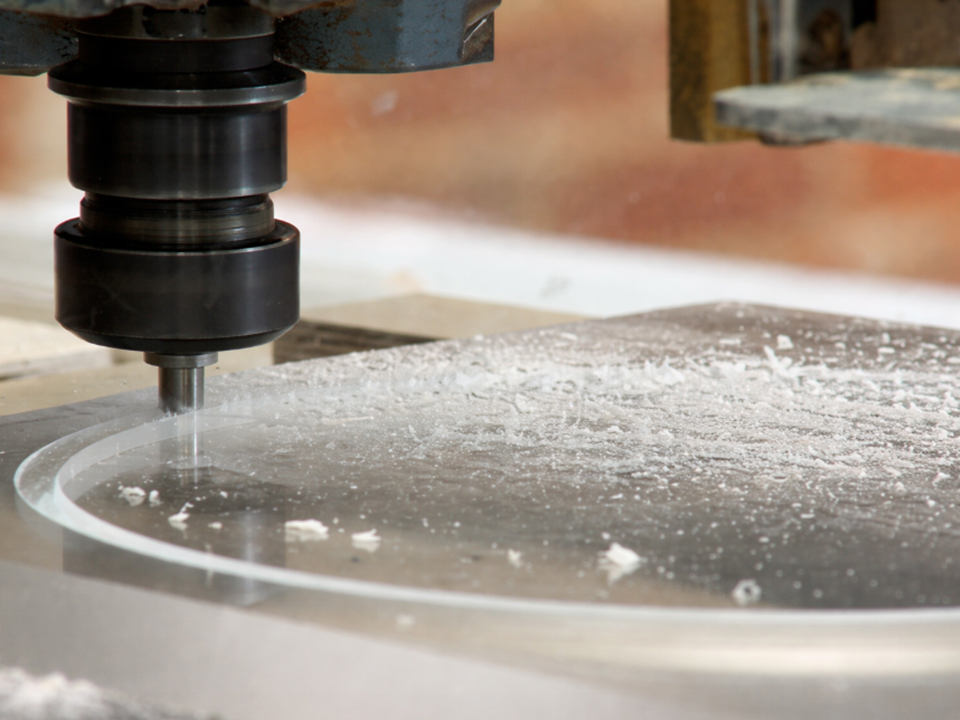
It tells you right away whether the frame is rigid enough, whether the spindle holds steady, whether the vacuum table really grips, and whether the chip evacuation is doing its job. In sign work, that matters more than sales language. You’re not buying a machine to impress a spec sheet. You’re buying clean edges, stable dimensions, and repeatable output.
And here’s the hard truth: many buyers chase spindle speed first. I don’t. For acrylic sign cutting, speed without control is just a faster way to make ugly parts.
SUNTECCNC’s article on customized signage manufacturing makes the same point in a practical way. For rigid plastics like acrylic, the real concerns are spindle speed control, chip evacuation, and bit geometry. That lines up with what every serious sign shop learns sooner or later. If chips stay in the cut, heat builds. If heat builds, the edge goes bad. Simple.
Let’s keep this plain.
Most acrylic sign jobs are flat jobs. They need X, Y, and Z motion done well. They do not need a fancy machine that can attack from every angle if the real daily work is profile cutting, pocketing, drilling, engraving, and light chamfer work on sheets.
That is why a solid 3-axis router often beats an overbought multi-axis setup for this kind of production. It’s easier to run. It’s easier to train on. It’s easier to maintain. And it usually gives you a better return if your orders are mostly panel-based signage.
If you’re still comparing machine classes, SUNTECCNC’s write-up on desktop vs. industrial CNC routers is worth reading. The gap is not just machine size. It’s frame weight, duty cycle, drive system, spindle power, repeatability, and how the machine behaves after long hours of work. That matters in acrylic. A light machine can cut it. A stable industrial machine can cut it all day.
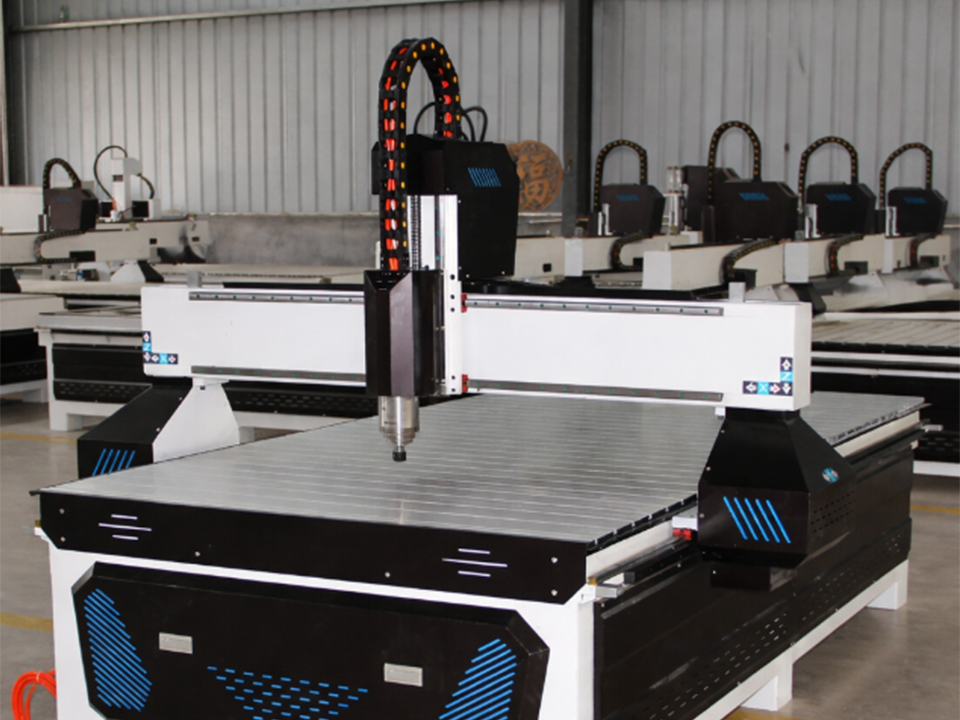
This is where buyers either save money or waste it.
I’d check frame rigidity first. Then vacuum hold-down. Then spindle stability. Then controller quality. Then service and support. In that order. Why? Because acrylic sign work punishes weak basics. You can work around a minor software issue. You can’t work around a sheet that shifts mid-cut.
SUNTECCNC’s own advanced CNC cutting techniques page gives a good starting point for acrylic: use a sharp O-flute or single-flute cutter, keep chip load real, and start in the 15,000–20,000 RPM range instead of blindly maxing out the spindle. That’s the kind of advice I trust more than generic “high speed equals better finish” talk.
| What you need | What matters most | What I’d look for on the machine | Why it matters for acrylic signs |
|---|---|---|---|
| Clean edge on clear acrylic | Stable spindle + good chip evacuation | Air-cooled or high-stability spindle, proper dust collection, plastic-cutting tooling | Reduces melting, edge whitening, and chip welding |
| Consistent size on repeat orders | Frame rigidity + motion accuracy | Heavy welded structure, quality linear guides, dependable drive system | Keeps letters and panels consistent from sheet to sheet |
| Thin sheet stability | Zoned vacuum table | Multi-zone vacuum hold-down, flat spoilboard, good sealing | Stops lifting, chatter, and movement on small parts |
| Faster job change | Tool management | ATC or at least organized multi-tool workflow | Helps when the job mixes cutting, drilling, and engraving |
| Production growth | Industrial duty cycle | Strong bed, industrial controller, proven component brands | You won’t outgrow the machine too quickly |
| Less downtime | Support and parts path | Real engineering support, spare parts access, factory response | A silent machine doesn’t make money |
That’s the table I’d use in a real buying meeting. Not a glossy one. A useful one.
I’m not interested in empty praise. I’m interested in whether a supplier looks ready for real factory work.
On that front, SUNTECCNC’s company profile checks boxes that matter: founded in 2006, 300+ staff, 60 technical engineers, a 15,000㎡ factory, and service across 100+ countries. More important, the company doesn’t position itself as a one-machine seller. It shows depth in routers, multi-axis systems, automation, and custom configurations. That matters because acrylic sign shops rarely stay still. Today it’s flat letters. Tomorrow it’s back panels, lightbox parts, PVC work, ACM trimming, and mixed-material jobs.
So yes, the machine matters. But the builder matters too.
You don’t need a wild setup. You need the right one.
If your acrylic sign business is moving from sample work to steady output, the kind of machine logic shown in the ST-2138 3-axis ATC nesting router is the right direction to study. It brings a 5-zone vacuum table, a 12-tool ATC, up to 24,000 RPM spindle speed, 80 m/min travel speed, and ±0.025 mm reposition accuracy. Even if your exact acrylic workflow differs from panel furniture, those specs tell me the machine was built with production discipline in mind: hold-down, speed, repeatability, and tool change efficiency.
Need more automation?
Then I’d also look at the ST-2130 automatic loading, unloading, labelling, and nesting router. Again, I’m not saying every sign shop needs that level on day one. I’m saying it shows what an industrial 3-axis platform can become when throughput starts to matter. It uses a 5-zone vacuum table, 12-tool ATC, industrial welding structure, and up to 80 m/min travel speed with ±0.025 mm precision. For a shop cutting a lot of repeat acrylic panels, branded boards, and routed sign blanks, that kind of workflow thinking can save labor fast.
| Shop stage | Better fit | Why |
|---|---|---|
| Small to mid-size sign shop doing flat acrylic panels and letters | Strong industrial 3-axis router | Easier to run, lower complexity, enough capability for most sheet-based sign work |
| Growing shop mixing routing, drilling, engraving, and repeat orders | 3-axis with ATC and zoned vacuum | Faster changeovers, better hold-down, more stable daily output |
| Higher-volume shop adding automation around sheet handling | Automated 3-axis nesting platform | Better labor use, more consistent throughput, less dead time between jobs |
That’s the real argument. Not 3-axis versus 5-axis as a status symbol. Fit first. Then scale.
The first mistake is buying too light.
The second is buying too cheap.
The third is buying too much machine in the wrong direction.
Acrylic sign cutting does not ask for flashy motion. It asks for stable motion. So I’d rather see a buyer choose a strong 3-axis industrial platform with a serious vacuum table and solid support than overpay for extra axes they will barely use. SUNTECCNC’s own articles already point that way. The site doesn’t pretend every shop needs the most advanced configuration. It shows a path from simpler work to more automated production, and that’s a smarter sales story because it feels real.
Another mistake? Ignoring service. Buyers love talking about spindle brands and guide rails. Fine. But when the controller alarms out or a part needs replacing, the conversation changes. Fast.
Here it is.
If your business focuses on Acrylic Sign Cutting, a 3-axis CNC Router is still the smart buy for most real-world shops. It fits flat sheet work. It keeps training simpler. It keeps costs under control. And if you choose an industrial-grade build with proper vacuum zoning, good spindle stability, and room to add automation, it won’t feel like a compromise.
That is where SUNTECCNC has a strong angle. The company is not just selling a generic router. It is showing a full path: sign-focused CNC thinking, industrial machine logic, automation options, and a factory background that gives buyers more confidence than a thin catalog ever could.
So don’t shop by headline price. Shop by edge quality, vacuum hold-down, repeatability, uptime, and how fast your team can turn acrylic sheets into work that actually looks premium.
That’s the standard.
And if you want to turn this into a machine shortlist instead of another vague discussion, go straight to the contact page and ask for a recommendation based on your acrylic thickness, daily sheet volume, finish target, and whether you need cutting only or cutting plus drilling and engraving.
If you want, I can also turn this into a homepage-friendly SEO article version with meta title, meta description, and a cleaner blog layout.