Don't worry, contact your boss immediately
Don't rush to close it, now, please talk to our boss directly. Usually reply within 1 hour.

John
JINAN SUNTEC CNC Machinery Co., Ltd
We Use SSL/3.0 To Encrypt Your Privacy

Most shops overbuy. They see a big frame, a big spindle, a big promise, and they think bigger means better, but stone work does not care about pride. It cares about fit. A shop that cuts tombstones all week does not need the same setup as a shop that mills deep relief walls or runs decorative profiles day after day. So what actually makes sense?
I’ll say it straight. The best CNC Machine is not the biggest one on the page. It is the one that matches your real jobs, your shop size, your team, and your next two years of growth. That is why I like to start with the machine mix first, then the brand, then the numbers.
And yes, brand still matters. When I look at Suntec’s background and then scan the full product range, I see something I care about: a clear product ladder. That matters. You do not want to buy one machine now, hit a wall six months later, and start over from zero.
Three words only. Buy for work.
That sounds obvious, but this is where many shops get stuck. They shop for future dreams, not current orders. They imagine giant marble jobs, deep 3D carving, and oversized slabs before they have stable weekly demand for any of it. Then the machine lands, the learning curve gets real, and the return takes longer than expected. Why pay for motion you do not use?
This point already shows up in Suntec’s own article on what CNC Machine is best for a stone engraving business. I agree with the basic idea. Flat engraving, name cutting, shallow carving, and repeat stone work usually need a rigid and stable machine first. Not a giant 5-axis unit just because it looks serious.
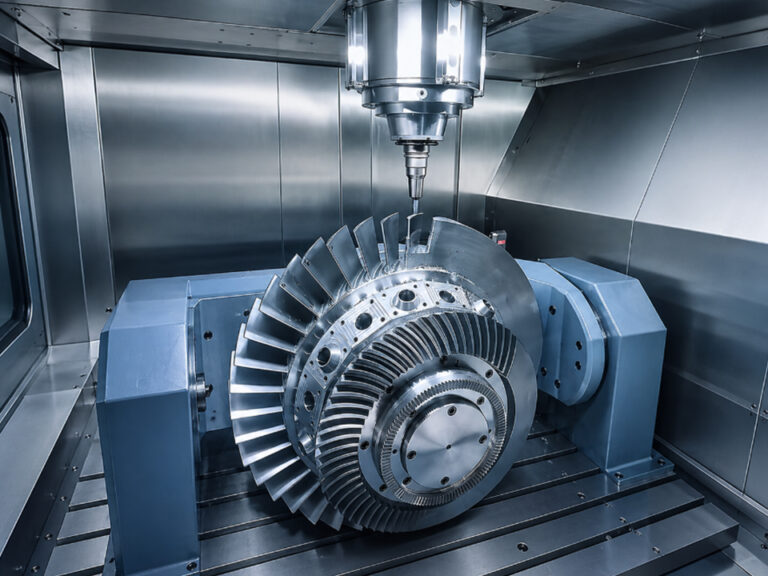
But here is the other side. A basic setup can hold a shop back too. When orders start moving from flat faces to curved forms, deep relief, long decorative runs, or multi-angle cuts, the machine has to keep up. That is where the right 4-axis or 5-axis model starts earning its place.
I am not impressed by paint. I care about the bones.
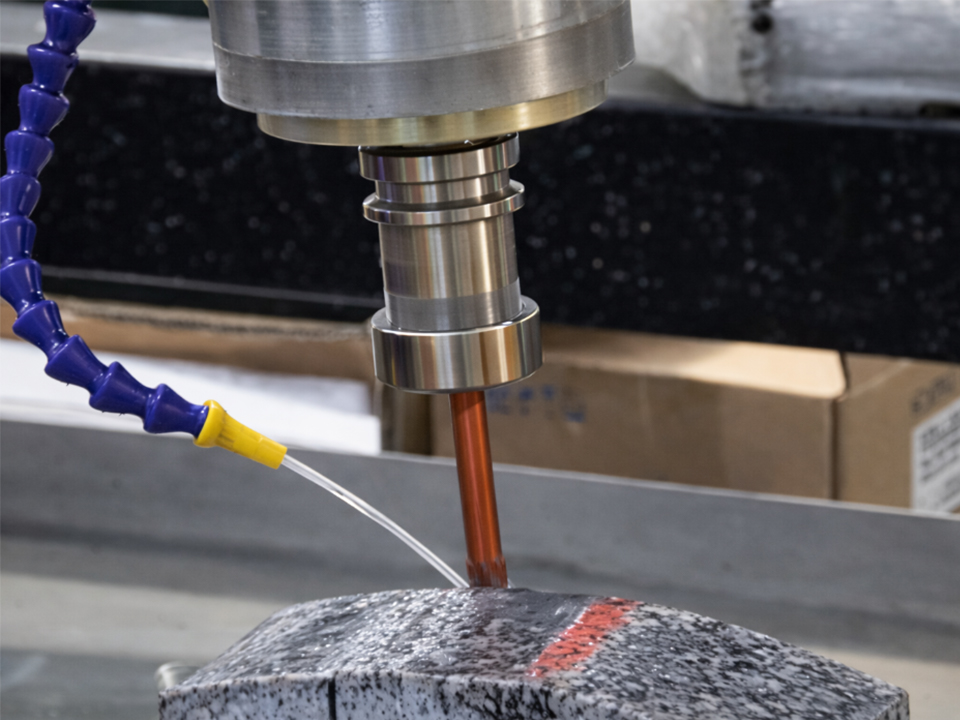
For stone work, the core questions stay the same. Is the frame rigid? Is the motion stable? Is the controller dependable? Is the spindle strong enough to stay calm under load? Can the machine hold size and repeat jobs without drift? And just as important, can your shop run it every day without turning production into a training exercise?
On Suntec’s product pages, the parts stack stays fairly consistent. You keep seeing HSD spindles, Syntec control, Yaskawa servo motors, Hiwin rails, and heavy steel structure. I like that. It shows a stable build idea instead of random parts thrown together for marketing.
A real stone machine also needs the right table size. Too small, and you waste labor by moving work around. Too big, and you pay for space, power, and machine travel you rarely use. That is not a small mistake. It hits output every week.
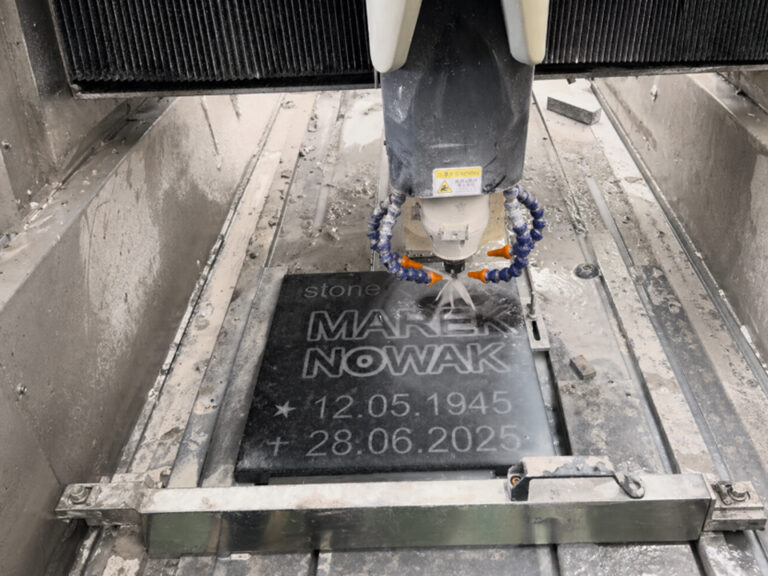
This is the easiest one to get wrong. Many buyers think tombstones mean deep carving and heavy machine first. In real shop terms, a lot of tombstone work is face engraving, lettering, portrait carving, edge detail, and repeat custom orders. That is not the same as giant industrial stone milling.
For this kind of work, I would usually start with the ST-1325 4 axis CNC router. The reason is simple. Its work area is easier for many shops to live with, and it still gives you 180-degree spindle movement, HSD spindle support, Syntec control, and Yaskawa servo motors. In plain English, it gives you room to do more than flat work without forcing you into a huge machine on day one.
Short answer. It fits.
If your shop runs mostly standard memorial sizes, custom lettering, carved portraits, and moderate 3D detail, this size class feels far more practical than people expect. It is easier to place, easier to manage, and easier to keep busy. That last part matters most. An idle big machine is still expensive.
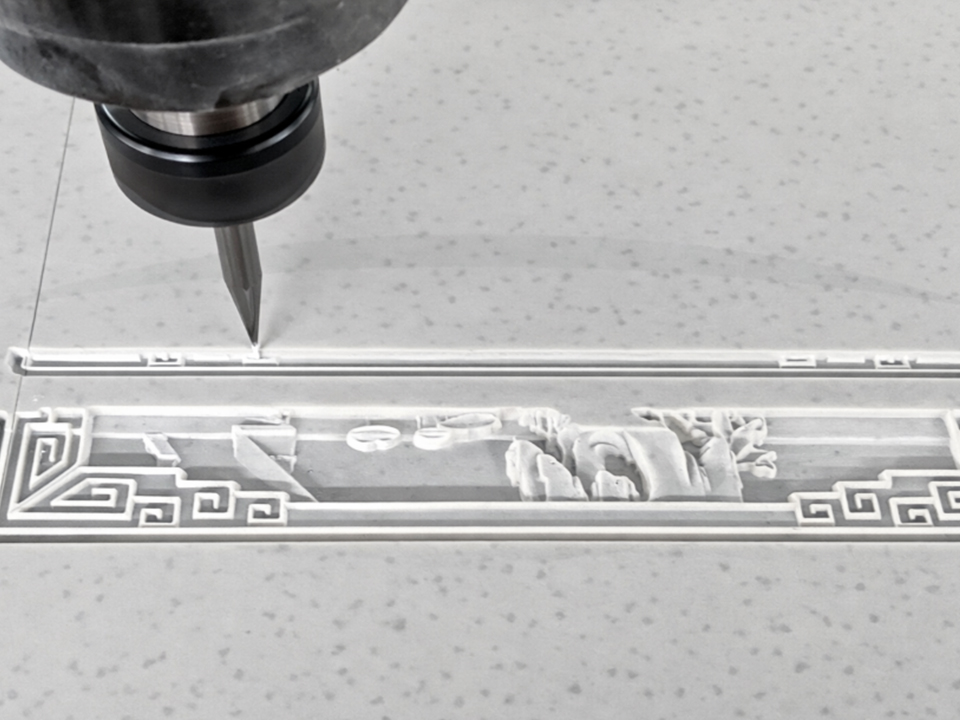
Now the job changes. Relief walls ask for more travel, more table confidence, and better control over larger pieces. The toolpath gets longer. The surface detail gets more demanding. The value of machine stability goes up fast.
This is where the ST-2050 4 axis CNC router starts making a lot of sense. Suntec lists it with a 2000 × 5000 × 1000 mm working area, a 9.6 kW HSD spindle, Syntec control, Yaskawa motors, and ±0.01/1000 mm positioning accuracy. That is a very workable mix for longer relief pieces, bigger carved panels, and more serious 3D jobs without jumping straight into full 5-axis cost.
This is the part many buyers miss. A strong 4-axis machine can cover a lot of commercial stone work. More than people think. If the main job is long panels, carved wall sections, and repeat relief production, a larger 4-axis machine often gives you the better balance between cost, output, and daily use. Do you really need 5-axis motion for every relief wall order? Usually not.
Profiles are sneaky. They look simple until you start running curved edges, repeating details, clean transitions, and long batches where even a small motion issue shows up again and again. That is why decorative work is not just about cutting. It is about repeat finish.
For simpler and mid-level decorative profiles, the 4-axis lane still works well. The spindle movement gives you more flexibility than a plain flat-bed setup, and the machine stays easier to run for common shop work. That is why I would not rush past 4-axis if the job mix is mostly borders, trims, edge forms, and decorative stone components.
But once decorative work becomes true multi-angle machining, deeper sculpted shapes, or complex surfaces that need fewer setups, I would move up. That is where the ST-2030 5 axis CNC router enters the picture. Suntec lists this model with ±110° A-axis rotation, ±245° C-axis rotation, 2000 × 3000 × 1000 mm working capacity, and high precision build details. At that point, 5-axis is not extra. It is useful.
And this is not just theory. The same logic comes through in Suntec’s article on how sculpture studios use 4 axis and 5 axis CNC routers. Once the shape gets harder and the surfaces stop being friendly, the value of added axis movement becomes obvious.
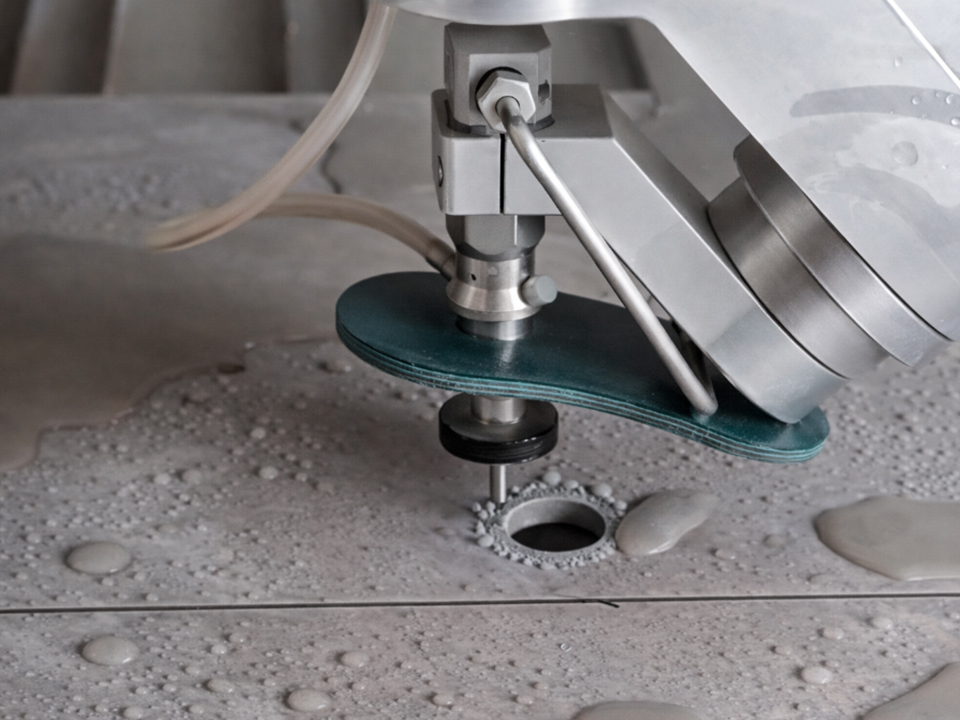
Below is the clean comparison. No fluff. Just the numbers that help you think.
| Model | Axis Type | Working Area | Spindle | Listed Precision | Best Fit |
|---|---|---|---|---|---|
| ST-1325 | 4-axis | 1300 × 2500 × 1000 mm | HSD spindle, 180° rotation | Built for high-precision 3D work | Tombstones, portrait engraving, smaller decorative jobs |
| ST-2050 | 4-axis | 2000 × 5000 × 1000 mm | 9.6 kW HSD, 0–24000 RPM | ±0.01/1000 mm | Relief walls, larger panels, long decorative profiles |
| ST-2030 | 5-axis | 2000 × 3000 × 1000 mm | High-speed spindle, 24,000 RPM | ±0.01 mm class build | Complex decorative forms, multi-angle carving, harder 3D work |
That table tells the story. The ST-1325 is the practical entry for memorial work and smaller carving jobs. The ST-2050 is the strong middle ground. The ST-2030 is where you go when the shape itself becomes the hard part.
This question never goes away. It should not. It saves money.
Suntec’s own post on 3-axis vs. 5-axis CNC routers makes the broader point, and I would narrow it for stone like this: if your jobs are mostly on one main face with some added angle work, 4-axis is often enough. If your jobs need deeper side access, fewer setups, and more freedom around the part, 5-axis starts paying back.
I do not push 5-axis first just to sound advanced. That is lazy advice. A shop with steady tombstone work, medium relief walls, and common decorative profiles can do very well with the right 4-axis setup. But a shop that already sells complex carved stone, multi-face forms, and harder custom work should stop pretending a smaller solution will cover everything.
So which one is best?
For many memorial shops, the answer is still the ST-1325. For relief wall work and larger carved panels, I would lean hard toward the ST-2050. For decorative profiles that move into true multi-angle and high-detail territory, the ST-2030 becomes the stronger answer.
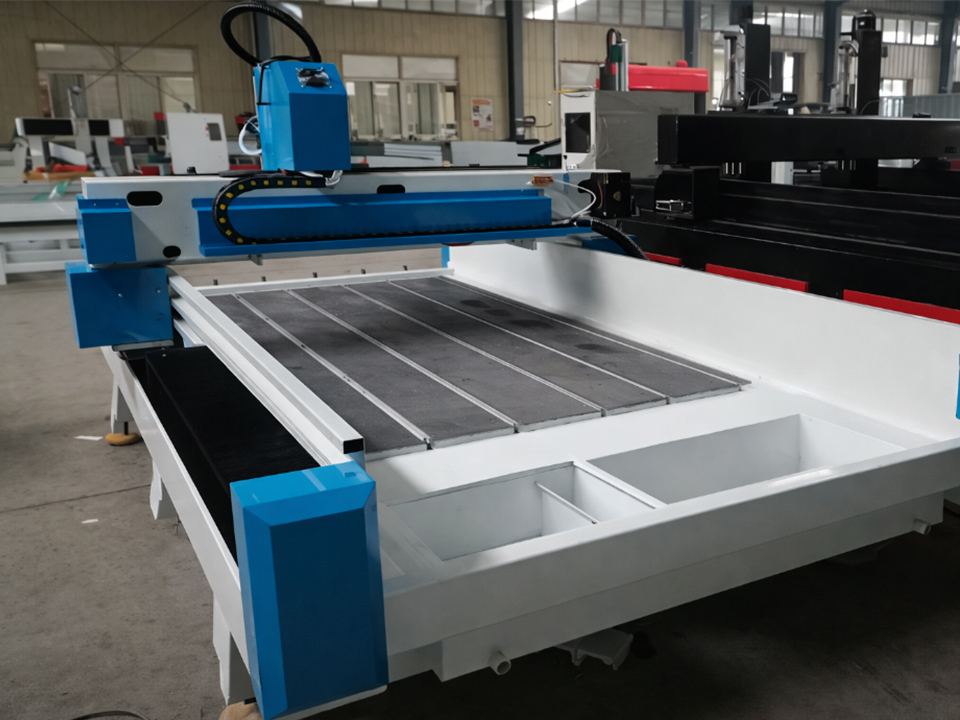
I like clear upgrade paths. Suntec has one.
A buyer can start with a smaller 4-axis machine, build output, learn what the market is really asking for, then move up only when the order book proves it. That is smarter than buying too much too early. It is also better for training, floor space, maintenance, and cash flow.
There is another reason I would keep the conversation inside one brand line. The machine logic stays easier to follow. When you compare one maker’s structure, controller habits, and step-up options, you see the ladder more clearly. That is why I would read the product lineup first, then compare it against your weekly jobs, then narrow it down.
Start simple. Stay sharp. Buy for the work.
That is my answer.
And when the shortlist is ready, move from browsing to real numbers on the contact page. Ask about bed size, spindle choice, control system, power setup, lead time, and machine match for the exact stone jobs you run now. That is how shops make a good CNC choice and avoid paying twice.